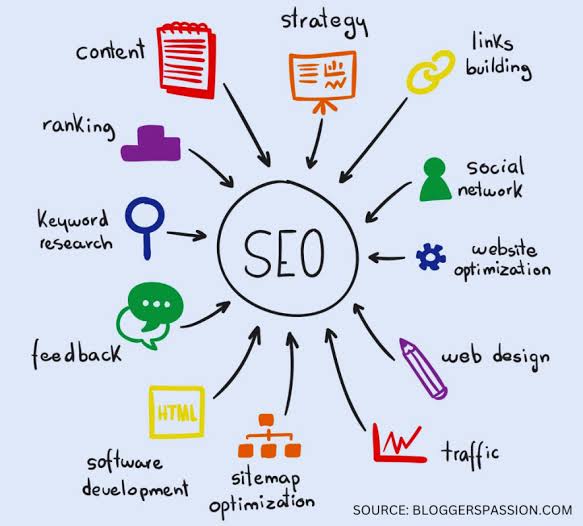
If you want to build a career in digital marketing, learning SEO is one of the most practical skills you can develop. Search engine optimization (SEO) helps websites appear more prominently in search engine results and can drive relevant organic traffic without paying for every click.
The good news is that you don’t need a technical degree or years of experience to start learning SEO. With the right roadmap, hands-on practice, and reliable learning resources, you can build a strong SEO foundation and gradually develop advanced skills.
This guide explains how to learn SEO step by step, what you should learn first, which tools to use, and how to practice SEO effectively.
Table of Contents
ToggleWhat Is SEO and How Does SEO Work?
SEO is the process of improving a website so search engines can understand its content and users can discover it through relevant searches.
Search engines generally need to:
- Crawl: Discover and access web pages.
- Index: Understand and store information about pages.
- Rank: Determine which pages are most relevant for a user’s search.
Learning SEO means understanding how these processes work and how website content, technical factors, relevance, authority, and user experience can affect organic search visibility.
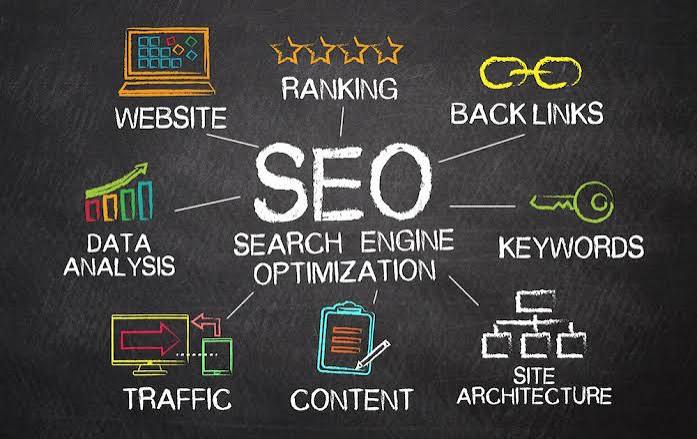
Why Should You Learn SEO?
- Develop an in-demand digital marketing skill.
- Support lead generation and online sales.
SEO also complements other digital marketing disciplines such as content marketing, social media marketing, paid advertising, and conversion optimizationSEO is useful for marketers, business owners, content writers, entrepreneurs, and aspiring digital marketing professionals.
Learning SEO can help you:
- Increase organic website traffic.
- Understand search behavior and customer intent.
- Create content that attracts relevant audiences.
- Improve website visibility.
Analyze competitors and search opportunities
How to Learn SEO: A Step-by-Step Roadmap
       Phase 1                    Phase 2                    Phase 3                    Phase 4
┌───────────────────┐      ┌───────────────────┐      ┌───────────────────┐      ┌───────────────────┐
│ SEO Fundamentals  │  ──> │ Technical & Content│ ──> │ Analytics & Tools │  ──> │   Execution &     │
│   & Core Pillars  │      │   Optimization    │      │    Measurement    │      │   AI Integration  │
└───────────────────┘      └───────────────────┘      └───────────────────┘      └───────────────────┘
Step 1: Understand Search Engine Fundamentals
- Study Crawling and Indexing: Learn how bots like Googlebot discover web pages via links and store them in search indexes.
- Learn Ranking Factors: Understand key signals such as search relevance, page speed, mobile usability, backlinks, and user engagement metrics.
- Analyze SERP Anatomy: Familiarize yourself with Organic Results, Paid Ads, Featured Snippets, Knowledge Panels, and People Also Ask (PAA) blocks.
Step 2: Master Keyword Research & Intent Mapping
- Identify Seed Terms: Start with core business or topic terms.
- Determine Search Intent: Categorize target keywords into Informational, Navigational, Commercial, or Transactional.
- Evaluate Keyword Metrics: Analyze Search Volume, Keyword Difficulty (KD), and Cost Per Click (CPC) using tools like Google Keyword Planner, Ahrefs, or Semrush.
Step 3: Learn On-Page & Technical SEO
- On-Page Optimization: Practice writing keyword-optimized Title Tags, Meta Descriptions, H1–H3 Headings, Image Alt Text, and URLs.
- Technical Health: Learn how to configure XML Sitemaps,
robots.txtfiles, canonical tags, HTTPS encryption, and Core Web Vitals (LCP, FID/INP, CLS).
Step 4: Build Off-Page Authority & Link Building Strategies
- Understand Link Equity: Learn how backlinks pass domain authority and PageRank.
- Master Outreach Techniques: Practice guest blogging, broken link building, digital PR, and creating shareable visual assets (infographics, calculators, research reports).
Step 5: Get Hands-On Experience with Analytics & Tools
- Set Up Tracking: Install Google Search Console (GSC) to monitor indexation and organic performance, and Google Analytics 4 (GA4) to track user engagement and conversions.
- Conduct Site Audits: Use tools like Screaming Frog, Ahrefs, or Sitebulb to identify broken links, duplicate content, and crawling errors.
Step 6: Build Your Own Project Site & Stay Updated
- Launch a personal blog or niche test site using WordPress or Webflow.
- Apply your keyword research, publish optimized content, and track organic performance over 3 to 6 months.
- Follow authoritative SEO news outlets like Search Engine Land, Search Engine Journal, and Google Search Central Updates to adapt to continuous algorithm changes and AI developments.
Lorem ipsum dolor sit amet, consectetur adipiscing elit. Ut elit tellus, luctus nec ullamcorper mattis, pulvinar dapibus leo.
E-E-A-T & Quality Guidelines: What Search Engines Value Most
Google measures content quality through a framework known as E-E-A-T:
Experience: Demonstrating first-hand, real-world experience with the subject matter.
Expertise: Showing deep subject knowledge and credentials.
Authoritativeness: Being a recognized authority or trusted brand in your space.
Trustworthiness: Maintaining factual accuracy, site security, and clear contact information.
Building trust is the single most critical aspect of E-E-A-T. Always cite credible sources, keep your content updated, and disclose author profiles.
What is YMYL (Your Money or Your Life)?
In SEO, YMYL stands for “Your Money or Your Life.” It is a critical concept defined in Google’s Search Quality Rater Guidelines.
Google applies significantly higher quality, safety, and accuracy standards to web pages that discuss topics that could directly impact a person’s health, financial stability, safety, or overall well-being.
If a page offers inaccurate, misleading, or deceptive advice on a YMYL topic, it can cause real-world harm to the reader. As a result, search engine algorithms strictly scrutinize these pages before allowing them to rank high in organic search results.
Key Categories That Fall Under YMYL
┌────────────────────────────────────────────────────────────────────────┐
│                        YMYL TOPIC CATEGORIES                           │
├───────────────────┬───────────────────┬────────────────────────────────┤
│ Medical & Health  │ Financial Advice  │ Safety, Law & Governance       │
│ • Conditions      │ • Investments     │ • Legal Advice                 │
│ • Medications     │ • Banking & Loans │ • Emergency Information        │
│ • Mental Health   │ • Taxes & Stocks  │ • Official Government Topics   │
└───────────────────┴───────────────────┴────────────────────────────────┘
-
Medical & Health Information: Content regarding physical/mental health, medical conditions, pharmaceuticals, nutrition, hospitals, or emergency response.
-
Financial Advice & Transactions: Pages covering investments, taxes, loans, insurance, retirement planning, banking, or online shopping payment gateways.
-
Legal, Civic, & Government Topics: Information about laws, voting, government services, social programs, child custody, or legal rights.
-
News & Current Events: High-stakes news topics such as international affairs, science, politics, and technology that impact public policy or awareness.
-
Safety & Security: Pages addressing physical safety, online security, crisis intervention, or disaster preparedness.
How YMYL Connects directly to E-E-A-T
YMYL content cannot rank on keyword usage alone—it requires strong E-E-A-T (Experience, Expertise, Authoritativeness, and Trustworthiness).
While E-E-A-T applies to all websites, it is mandatory for YMYL topics.
-
Expert Credentials: YMYL topics require content to be written, reviewed, or accredited by recognized field experts (e.g., certified financial planners for tax advice, qualified doctors for medical symptoms).
-
Verifiable Sources: All factual claims must be cited using primary research, peer-reviewed journals, official government portals, or authoritative databases.
-
Transparency & Clear Ownership: YMYL sites must feature accessible editorial policies, clear author bios with verifiable credentials, visible publication dates, and easy-to-find contact details.
Best Practices for Optimizing YMYL Content
If your website operates in a YMYL niche (such as healthcare, fintech, insurance, or legal services), implement these core optimization practices:
-
Include Expert Reviews & Bylines: Clearly display who authored the piece and who medically or financially reviewed it (e.g., “Written by [Author] | Medically Reviewed by Dr. [Name]”).
-
Keep Information Up-to-Date: Continuously review and update YMYL articles to reflect recent regulations, guidelines, or medical breakthroughs. Add a “Last Updated” timestamp.
-
Link to High-Authority External Sources: Cite reputable, unbiased, and authoritative third-party sources to validate factual statements.
-
Maintain Transparent Site Policies: Ensure terms of service, privacy policy, refund terms, and customer support channels are clearly accessible from the footer.