
Table of Contents
ToggleWhat Is SEO in Digital Marketing? A Complete Beginner’s Guide
If you have a website or online business, you have probably heard the term SEO many times. But what exactly is SEO in digital marketing, and why is it important?
SEO stands for Search Engine Optimization. It is the process of improving a website so that it can appear more prominently in search engine results when people search for relevant information, products, or services.
Unlike paid advertising, SEO focuses mainly on earning organic, unpaid visibility. A strong SEO strategy can help businesses attract relevant visitors, build credibility, and generate leads over time.
What Is SEO in Digital Marketing?
SEO in digital marketing is the practice of optimizing websites and online content to improve their visibility in search engines such as Google.
For example, if someone searches for “best digital marketing agency”, several websites may appear in the search results. SEO helps a website become more relevant and useful for that search query.
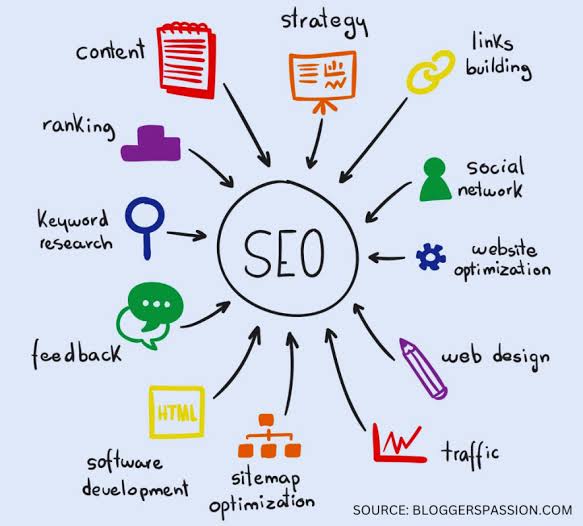
SEO involves several activities, including:
- Keyword research
- Creating useful content
- On-page optimization
- Technical SEO
- Link building
- Improving website speed
- Optimizing for mobile devices
- Improving user experience
The main goal is not simply to get more visitors, but to attract the right visitors who are interested in what your website offers.
Why Is SEO Important in Digital Marketing?
SEO is an important part of digital marketing because search engines are commonly used to discover information, businesses, products, and services.
A well-optimized website can provide several benefits:
- Increases Organic Traffic: SEO can help your pages appear for relevant searches and attract visitors without paying for every click.
- Builds Credibility: Websites that provide useful, trustworthy information can develop greater credibility with their audience.
- Generates Leads: Relevant organic traffic can turn into enquiries, subscribers, customers, or other valuable actions.
- Provides Long-Term Value: SEO can continue bringing traffic after content has been published, although rankings require ongoing maintenance.
- Improves User Experience: Many SEO practices also make websites easier to navigate, faster, and more accessible
How Does SEO Work?
Search engines generally need to discover, understand, and organize webpages before showing them in search results.
Search engines use automated systems, often called crawlers, to discover webpages. The information they find can then be processed and stored in a search index.
When someone performs a search, the search engine evaluates many signals to determine which results are most useful and relevant to the query.
SEO therefore involves making your website easier for search engines to understand while also creating valuable content for users.
Crawling and Indexing
Crawling is the process through which search engine crawlers discover and access webpages.
Indexing involves processing and storing information about webpages so they can potentially appear in search results.
If a page cannot be properly accessed or indexed, it may have difficulty appearing in organic search results.
Ranking
When a user searches for something, search engines select and order results based on numerous factors and systems.
This means SEO is not about finding one secret ranking factor. Instead, successful SEO usually involves creating helpful content, maintaining a technically sound website, and making pages relevant to users’ searches.
What Are the Main Types of SEO?
SEO can be divided into several major areas.
Type of SEO | Main Focus |
On-Page SEO | Optimizing content and webpage elements |
Off-Page SEO | Building website authority and reputation |
Technical SEO | Improving technical accessibility and performance |
Local SEO | Improving visibility for location-based searches |
On-Page SEO
On-page SEO focuses on elements that exist on your webpages.
Important areas include:
- Page titles
- Headings
- Keyword usage
- Content quality
- Internal links
- Image optimization
- Meta descriptions
- Search intent
The goal is to make the page useful to visitors and clearly communicate its topic to search engines.
Off-Page SEO
Off-page SEO involves activities outside your own website that can influence its reputation and visibility.
One important area is earning relevant, high-quality backlinks from other websites. However, links should be acquired naturally and should provide value rather than being created solely to manipulate rankings.
Other off-page activities can include brand mentions, digital PR, and building relationships within your industry.
Technical SEO
Technical SEO focuses on the technical aspects of a website.
It can include:
- Website speed
- Mobile usability
- Site architecture
- XML sitemaps
- Robots.txt
- HTTPS
- Canonicalization
- Structured data
- Crawlability
A technically healthy website makes it easier for search engines to access and understand its content.
What Is Keyword Research in SEO?
Keyword research is the process of identifying the words and phrases people use when searching for information online.
For example, someone interested in learning SEO might search for:
- “what is SEO”
- “SEO for beginners”
- “SEO tips”
- “how does SEO work”
Good keyword research considers search intent, competition, relevance, and the needs of the target audience.
Instead of simply repeating a keyword many times, create content that genuinely answers the searcher’s question.
How to Optimize a Website for SEO
If you are new to SEO, start with the basics:
- Research topics your target audience searches for.
- Understand the intent behind those searches.
- Create original and helpful content.
- Use descriptive page titles and headings.
- Organize content with clear sections.
- Add relevant internal links.
- Optimize images and improve page performance.
- Make your website mobile-friendly.
- Fix important technical SEO problems.
- Monitor your search performance and improve existing content.
SEO is an ongoing process. Search trends, competitors, websites, and search engine systems can change, so regularly reviewing your strategy is important.